
End-To-End Imaging Solution for Clinical Trials.
Leading Imaging CRO providing centralized image management and radiological review for today’s clinical trials.
Compliance & Trust
Our platform and services meet the highest compliance standards, ensuring complete regulatory alignment.

FDA 21 CFR Part II

ISO13485

GDPR

HIPPA
SOC 2 Type II
Experience Matters
Providing standardized image assessments across a spectrum of therapeutic indications for smarter decisions, quicker studies, and reliable trial endpoints.
Musculoskeletal
Bone Health
The team delivers end-to-end imaging support for bone health and osteoporosis clinical trials worldwide, including in China, using DXA, QCT, X‑ray, and MRI to measure bone mineral density, microarchitecture, fracture risk, and treatment response with high precision. Hardware-specific expertise with Hologic and GE DXA systems, combined with dedicated phantoms for site calibration, ensures harmonized, reproducible imaging across global sites. Regulatory-grade endpoints such as vertebral fracture grading, trabecular bone score, and quantitative structural metrics enable sensitive detection of bone loss and therapeutic benefit, strengthen patient selection, and generate regulator-ready data packages for osteoporosis and bone fragility drug development.
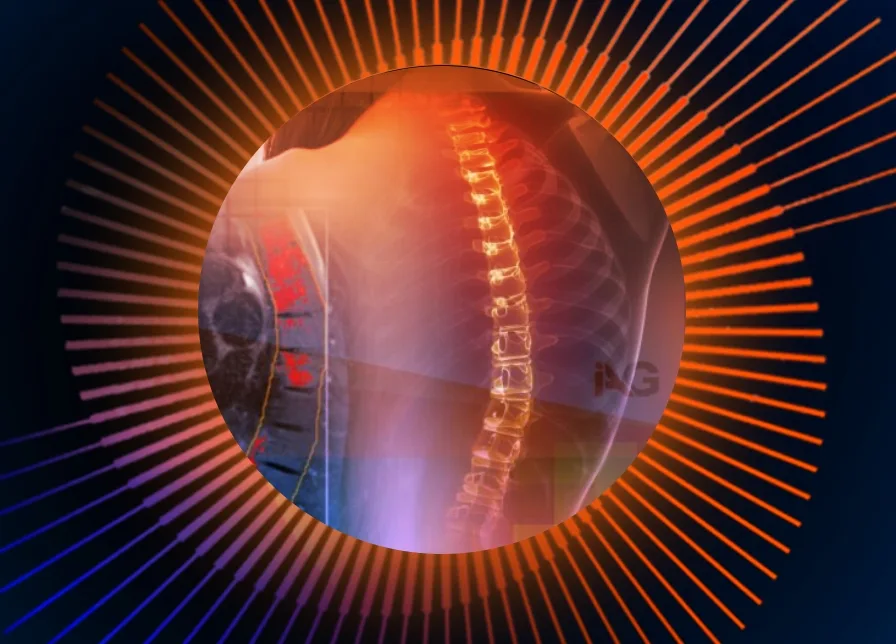
Orthopedic Imaging
In orthopedic studies, imaging plays central role for eligibility assessment, structural monitoring, and quantifying treatment response. Using X‑ray, MRI (including 3D and quantitative protocols), CT, ultrasound, and DXA, our experts evaluate cartilage integrity, intervertebral discs, vertebral bodies, and surrounding soft tissues to characterize both damage and healing. Validated and exploratory imaging protocols—spanning cartilage volume and composition, joint alignment, bone density and microarchitecture, vertebral and disc morphology, fracture and fusion status, and quantitative post‑surgical assessments—provide sensitive detection of treatment effects and regulator‑ready endpoints for orthopedic drug and device development.
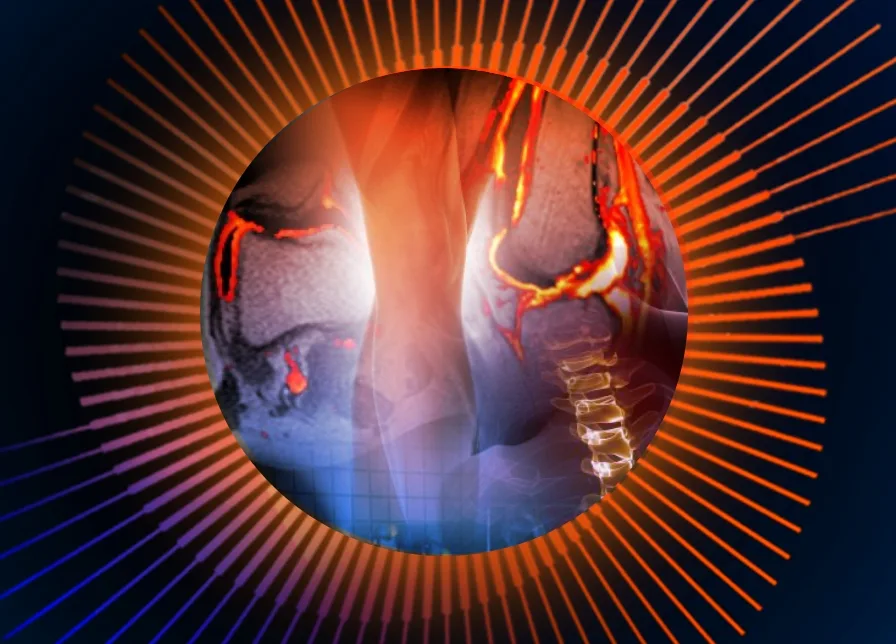
Osteoarthritis
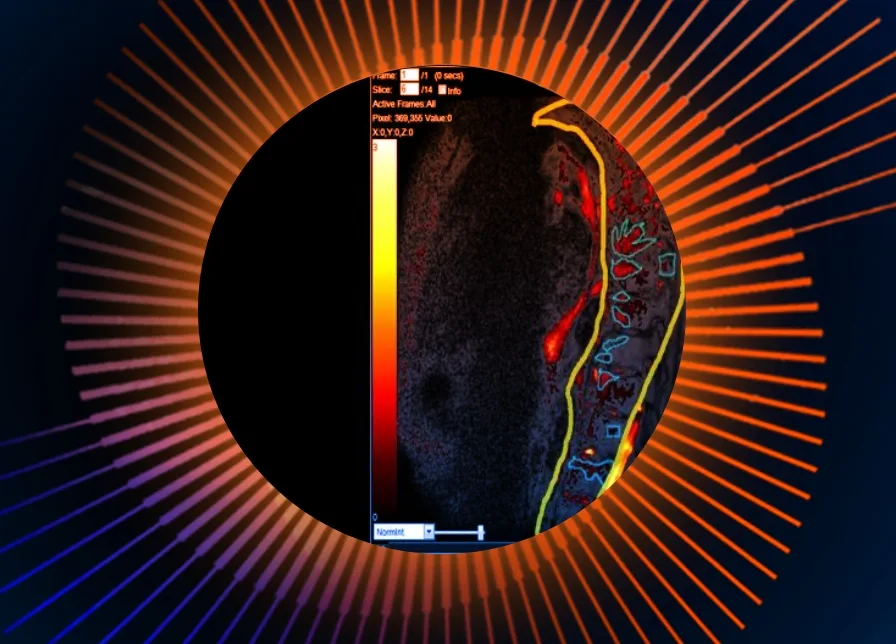
Our team delivers comprehensive osteoarthritis imaging support for global clinical trials, covering study design, subject selection, and centralized image review. Using X‑ray, US and MRI (including quantitative and dynamic contrast‑enhanced protocols), we enable screening and longitudinal assessment of cartilage damage, synovial inflammation, and bone marrow lesion changes, capturing both structural and inflammatory components of disease.
IAG provides hands-on experience in deliverying FDA‑required and advanced exploratory measures such as DEMRIQ, 11‑point synovitis, MOAKS, WORMS, Kellgren–Lawrence and OARSI grades, plus MRI‑based cartilage volume and quality assessments.
Ankylosing Spondylitis
Ankylosing spondylitis trials depend on sensitive, standardized imaging to characterize spinal and sacroiliac inflammation, structural damage, and progression over time. Using X‑ray, MRI (including STIR and dynamic contrast–enhanced sequences) IAG expert readers apply established scoring systems such as the modified New York criteria, SPARCC, mSASSS, ASAS, BASRI, and MRI spine scores to quantify both inflammatory and structural change.
Working with leading academic centers, specialized imaging sites, and experienced radiologists, these regulator‑aligned quantitative imaging endpoints support robust evidence packages for axial spondyloarthritis and ankylosing spondylitis drug development.
Rheumatoid Arthritis
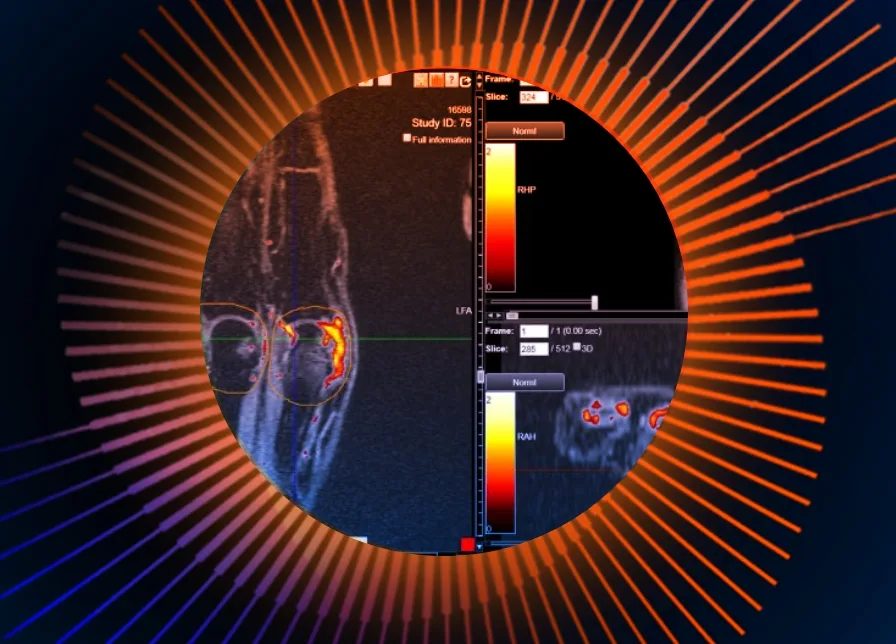
Rheumatoid arthritis clinical trials at IAG leverage a long-standing track record in RA imaging methodology, including dynamic contrast‑enhanced MRI (DCE‑MRI) of small joints and computer‑aided quantification of synovitis and bone marrow edema correlated with RAMRIS scoring and histology. Trials use X‑ray, MRI, DCE‑MRI, CT, and PET with phase‑specific protocols to measure synovial perfusion, inflammatory burden, and structural damage. Global imaging sites and specialist RA readers deliver centrally read radiographic endpoints and sensitive MRI biomarkers, enabling precise detection of structural responders and supporting successful development of novel anti‑inflammatory and disease‑modifying RA therapies.
Psoriatic Arthritis
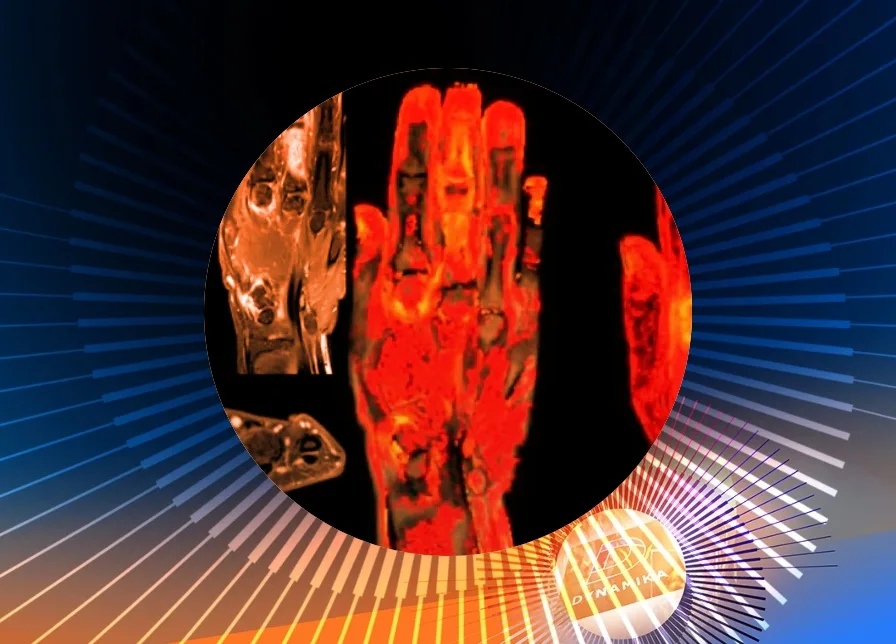
Psoriatic arthritis clinical trials require sensitive imaging to capture synovial, entheseal, axial, and skin–joint inflammation patterns that drive disease progression. In psoriatic arthritis trials, Image Analysis Group (IAG) applies dedicated rheumatology imaging expertise, using X‑ray, MRI, whole‑body MRI, DCE‑MRI, ultrasound, and CT to assess synovitis, enthesitis, dactylitis, axial involvement, and skin–joint relationships with tailored semi‑quantitative and quantitative scores. Partnering with experienced PsA sites and subspecialist musculoskeletal readers, IAG delivers centralized, standardized imaging endpoints that enable precise phenotyping, sensitive detection of treatment effects, and regulator‑ready evidence packages.
Oncology

Bone Safety Assessment
In oncology clinical trials, Image Analysis Group (IAG) offers DXA-based safety monitoring to quantify treatment-related changes in bone mineral density and body composition.
We will design and implement DXA workflows to track bone loss, lean mass, and fat mass shifts that may arise from endocrine therapies, steroids, or targeted agents, helping Sponsors understand fracture and frailty risk over time.
The DXA assessments are integrated into imaging charters and safety plans, providing low-dose, reproducible quantitative endpoints that flag skeletal toxicity early, inform supportive care strategies, and strengthen benefit–risk evaluations for oncology drug development programs.
Solid Tumors
For solid tumor clinical trials, the team provides comprehensive imaging support from protocol design to centralized reads, using MRI, CT, PET, and ultrasound to accurately characterize tumor burden and treatment response. In addition to standardized and advanced criteria such as RECIST, iRECIST, and volumetric tumor analyses, IAG collaborates with AI innovators Better Medicine and Picture Health to layer radiomics and AI-driven image analysis onto core oncology endpoints. This combined approach delivers sensitive, reproducible imaging biomarkers that enhance early signal detection, de-risk go/no-go decisions, and strengthen regulatory submissions for solid tumor therapies.
Neuro-Oncology
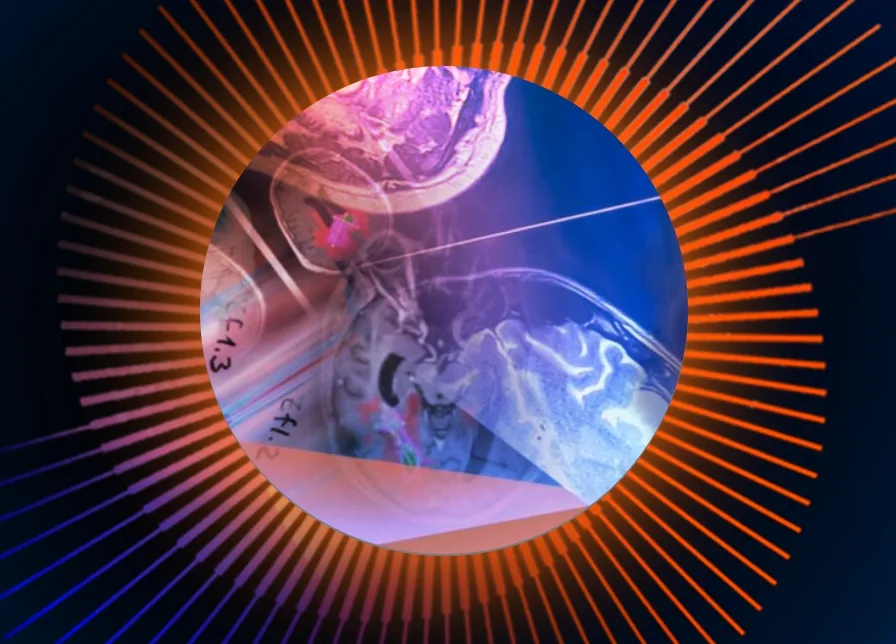
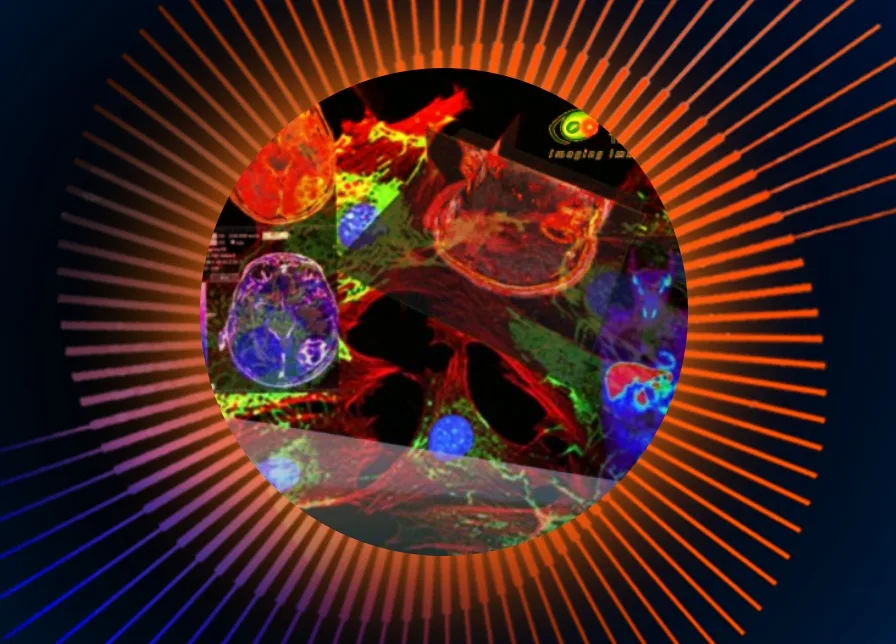
Our radiology leadership is recognized among the world’s top 2% of researchers by publication impact, underscoring the depth of scientific expertise behind every trial. As a specialist neuro-oncology imaging CRO, IAG provides end-to-end support for GBM and glioma studies, from protocol design and site selection through operational delivery and centralized image review. Using the DYNAMIKA platform, neuro-oncology experts perform standardized RANO and RANO 2.0 reads and integrate molecular imaging with advanced MRI (DWI, DCE‑MRI) to distinguish true progression from pseudo‑progression and detect early biological response, delivering highly sensitive, regulator-ready endpoints.
Head and Neck Cancers
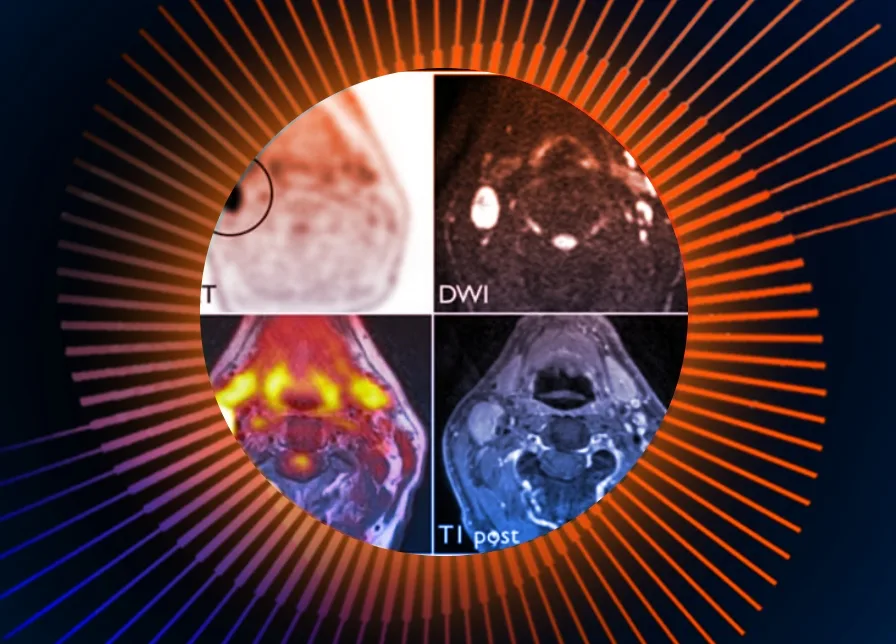
IAG team specializes in head and neck cancer imaging for clinical trials, using CT, anatomical and multiparametric MRI, DCE‑MRI, diffusion‑weighted imaging, PET/CT, and PET/MRI to capture complex tumor anatomy. Leveraging RECIST 1.1, iRECIST, SUV-based PET metrics, volumetric tumor measurements, and nodal burden scoring, we precisely characterize primary tumor extent, lymph node involvement, and perineural spread. We provide centralized, standardized reads and quantitative imaging biomarkers that sensitively track therapy response and toxicity, generating robust, regulator‑ready imaging endpoints for head and neck cancer drug and radiation therapy development.
Breast Cancer
IAG team provides advanced imaging support for breast cancer clinical trials, using mammography, handheld and volumetric ultrasound, multiparametric breast MRI (including DCE‑MRI, DWI, and MRS), and PET to capture lesion morphology and biology across disease stages. By applying BI‑RADS for lesion characterization alongside RECIST 1.1, volumetric measurements, and SUV‑based PET metrics, we track tumor burden, treatment response, and staging in a standardized way. Centralized, multi‑modality reads and harmonized imaging charters deliver precise, regulator‑ready breast cancer imaging endpoints that help sponsors evaluate targeted, endocrine, and immuno‑oncology therapies more efficiently.
Colorectal Cancer
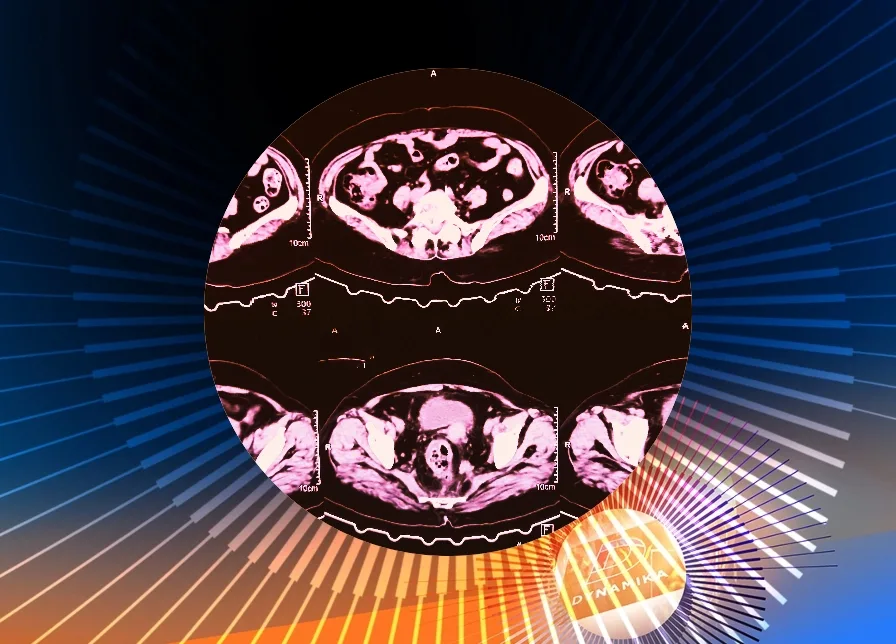
IAG team specializes in colorectal cancer imaging for clinical trials, using high‑resolution pelvic MRI, whole‑body CT, PET/CT, diffusion‑weighted MRI, and advanced functional MRI techniques to assess local tumor extent, nodal status, and distant metastases. Applying RECIST 1.1, volumetric tumor measurements, and radiomics-based texture and shape metrics, we generate precise, data-driven imaging endpoints for neoadjuvant, adjuvant, and metastatic settings. Centralized, standardized reads and harmonized imaging charters support accurate staging, early detection of treatment response, and regulator‑ready evidence packages for colorectal cancer drug and combination therapy development.
Prostate Cancer
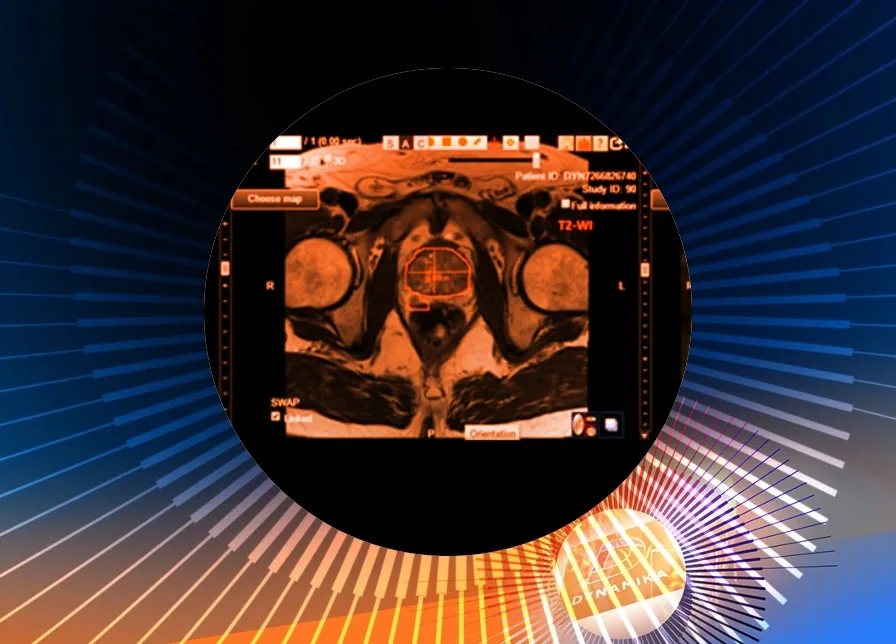
IAG team offers comprehensive FDA/EMA‑aligned imaging support for prostate cancer clinical trials, using multiparametric MRI, PSMA PET/CT, bone scintigraphy, CT, and advanced ultrasound to optimize detection, staging, and therapy monitoring. By applying PI‑RADS for prostate MRI, RECIST 1.1 and iRECIST for measurable disease, PET SUV metrics for PSMA‑avid lesions, and volumetric measurements for soft‑tissue and nodal metastases, we generate precise, validated imaging endpoints. IAG brings experience in harmonized centralized reads for evaluation of androgen‑axis agents, radioligand therapies and combination regimens.
Lymphoma
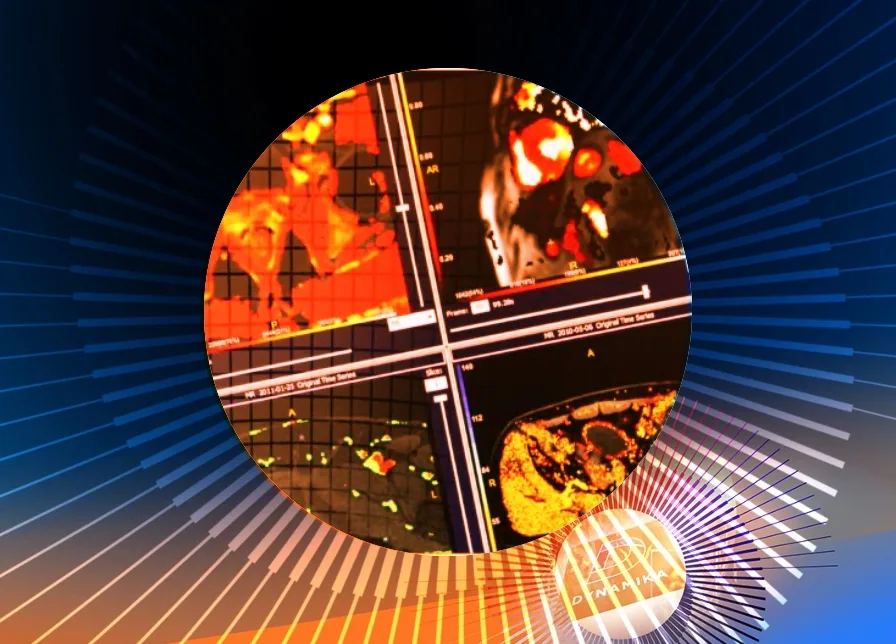
IAG team delivers expert imaging support for lymphoma and myeloma clinical trials, using FDG PET/CT, whole‑body MRI, and low‑dose CT to capture disease burden across nodal and extranodal sites. By applying Deauville scores, Cheson response criteria, and IMWG myeloma response and minimal residual disease (MRD) criteria, we standardize staging, therapy response assessment, and detection of residual disease. Centralized quantitative reads and harmonized imaging charters generate robust, regulator‑ready endpoints that help hematology drug developers evaluate novel antibodies, cell therapies, and targeted agents with sensitivity and confidence.
Lung Cancer
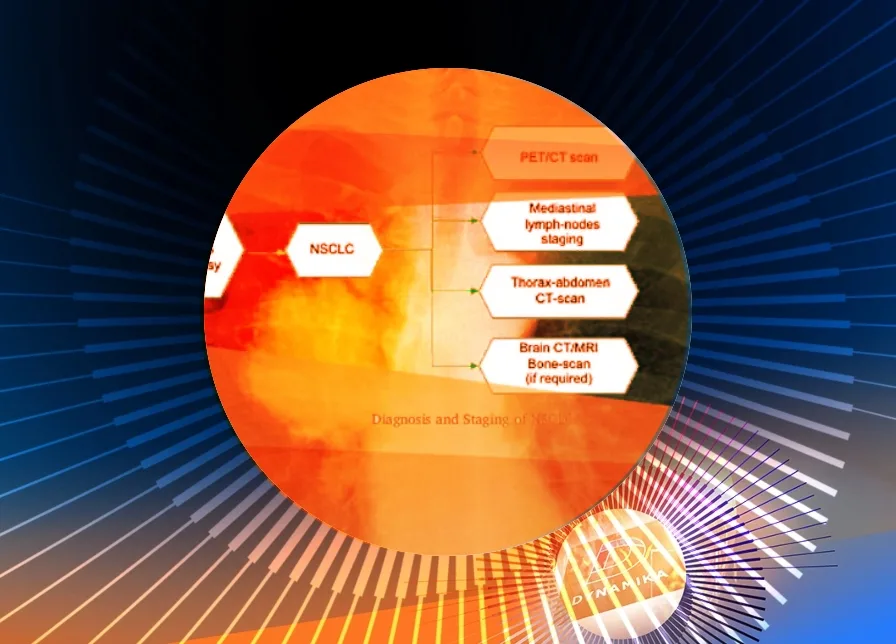
IAG team provides specialized imaging for lung cancer clinical trials, using low-dose and contrast-enhanced CT, PET/CT, and MRI (including diffusion-weighted and whole-body protocols) for accurate tumor detection, staging, and longitudinal response assessment. Applying RECIST 1.1, iRECIST, volumetric tumor measurements, and SUV-based PET metrics, we generate robust, quantitative endpoints that capture both disease burden and early treatment effects. Centralized, standardized reads and harmonized imaging charters support optimal patient selection, sensitive evaluation of targeted and immuno-oncology agents, and regulator-ready evidence packages for lung cancer drug development.
Pancreatic Cancer
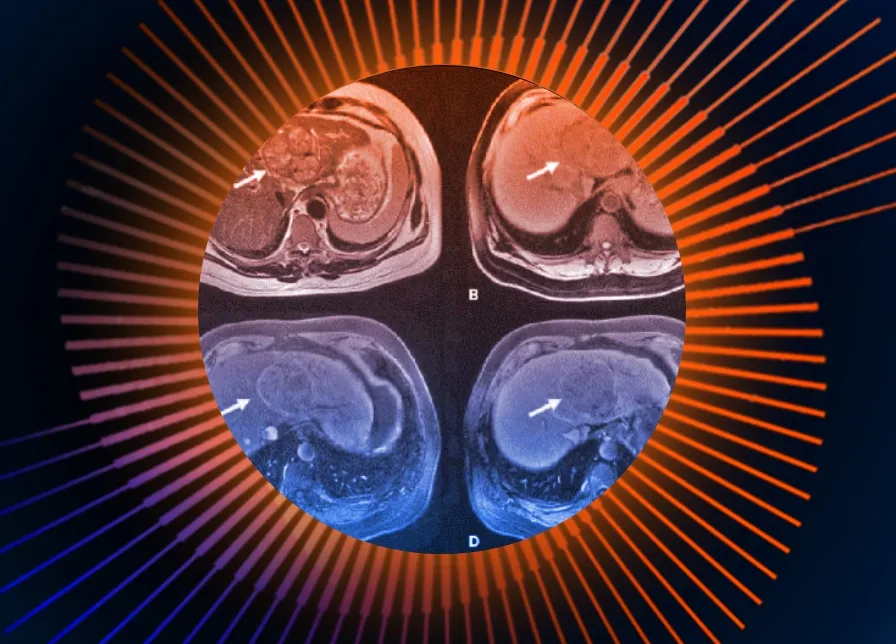
IAG team specializes in pancreatic cancer imaging for clinical trials, using multiphasic contrast‑enhanced CT, multiparametric MRI (including DCE‑MRI and diffusion‑weighted imaging), endoscopic ultrasound, and PET to characterize complex pancreatic lesions. These protocols support precise tumor detection, vascular and nodal staging, and assessment of resectability in both localized and metastatic disease. Centralized, standardized reads and quantitative response metrics enable robust evaluation of chemotherapy, targeted, and immuno-oncology regimens, supporting confident patient selection, early signal detection, and regulator‑ready evidence packages for innovative pancreatic cancer treatments.
Sarcomas
To characterize bone and soft‑tissue sarcomas across primary and metastatic sites, we help Sponsors to use multiparametric MRI (including DCE‑MRI and diffusion‑weighted imaging), CT, and functional PET (FDG and FAPI). Applying Choi criteria, RECIST 1.1, volumetric tumor measurements, and radiomics-derived texture and shape features, we deliver objective, quantitative assessments of treatment response and disease progression. Molecular imaging biomarkers from FDG and FAPI PET further refine subtype characterization and early response evaluation, enabling robust, data‑driven imaging endpoints that support sarcoma drug development and regulatory submissions.
Obesity and Metabolic Diseases
Obesity
For obesity and metabolic clinical trials, imaging assessments use MRI, CT, DEXA/DXA, ultrasound, and PET to quantify visceral adipose tissue, subcutaneous fat, lean mass, and ectopic fat in liver, pancreas, and muscle. Imaging protocols include MRI‑PDFF and CT‑based liver fat quantification, volumetric body composition, and regional fat distribution metrics highly relevant for GLP‑1, dual/triple agonists, and combination therapies. These quantitative biomarkers support precise evaluation of weight loss, metabolic improvement, and organ safety, enabling sensitive, patient‑focused efficacy endpoints and regulator‑ready evidence for obesity and metabolic drug development.
Liver Diseases
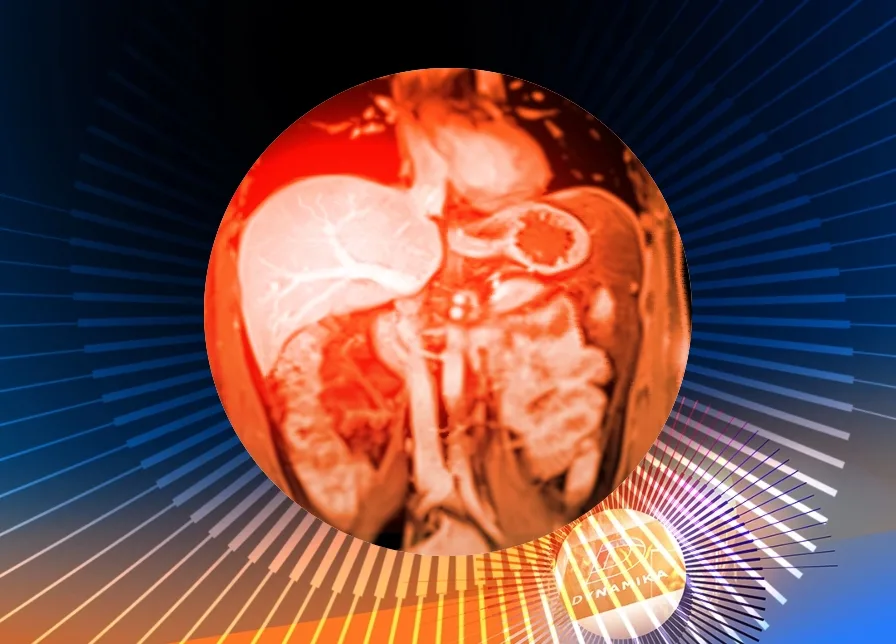
IAG team supports liver disease and MASH/NASH clinical trials with standardized MRI protocols, including MRI‑PDFF for liver fat quantification and MR elastography (MRE) for non‑invasive fibrosis assessment, alongside CT, ultrasound, and shear‑wave elastography. These imaging workflows measure hepatic steatosis, fibrosis, and inflammation without repeated biopsy, making them ideal for NASH and metabolic liver disease studies. Centralized reads and quantitative liver imaging biomarkers enable precise patient selection, longitudinal monitoring, and robust efficacy and safety endpoints, helping sponsors design and execute regulator‑ready MASH/NASH and liver disease drug development programs.
Rare Metabolic Disorders
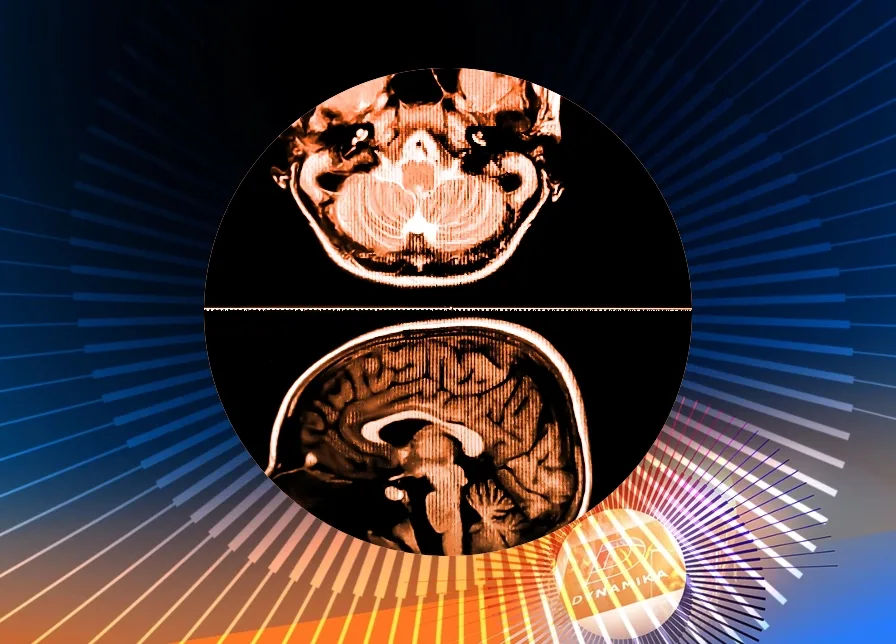
These clinical trials require highly specialized imaging to capture subtle organ, metabolic, and tissue changes over time. Image Analysis Group (IAG) provides FDA/EMA‑aligned imaging solutions using MRI, MR spectroscopy, PET, CT, and ultrasound to quantify organ involvement, metabolic function, and tissue pathology. Quantitative MRI protocols, spectroscopy‑based metabolite profiling, and indication‑specific PET tracers support early diagnosis and sensitive evaluation of treatment effects. Centralized reads and standardized workflows across global sites deliver high‑quality, reproducible efficacy and safety endpoints, helping sponsors streamline regulatory submissions and accelerate drug development in rare metabolic diseases.
Abdominal Imaging
Using high‑resolution MRI, CT, ultrasound, and AI‑driven analysis, the team supports abdominal imaging for clinical trials in liver, pancreatic, renal, and gastrointestinal disease. Protocols include MRI‑PDFF and MR elastography for MASH/NASH, LI‑RADS‑based liver lesion characterization, and quantitative fat fraction and volume measurements for organ and visceral adiposity assessment. Elastography, diffusion metrics, and dynamic contrast‑enhanced parameters are integrated to track fibrosis, inflammation, and perfusion. Centralized reads and standardized scoring deliver regulator‑ready imaging endpoints for accurate monitoring of disease progression, therapy response, and safety across hepatology, gastroenterology, and renal drug development.
Bone Health
The team delivers end-to-end imaging support for bone health and osteoporosis clinical trials worldwide, including in China, using DXA, QCT, X‑ray, and MRI to measure bone mineral density, microarchitecture, fracture risk, and treatment response with high precision. Hardware-specific expertise with Hologic and GE DXA systems, combined with dedicated phantoms for site calibration, ensures harmonized, reproducible imaging across global sites. Regulatory-grade endpoints such as vertebral fracture grading, trabecular bone score, and quantitative structural metrics enable sensitive detection of bone loss and therapeutic benefit, strengthen patient selection, and generate regulator-ready data packages for osteoporosis and bone fragility drug development.
Psychiatric Disorders
IAG team provides FDA/EMA‑aligned imaging for neuropsychiatric disorder trials, using multimodal MRI (structural, functional, DTI), PET, and quantitative brain biomarkers to assess regional volume, activation, and connectivity. We design and implement standardized protocols for depression, schizophrenia, bipolar disorder, and related CNS indications, enabling objective measurement of circuit‑level dysfunction and treatment effects. Centralized image processing and blinded reads generate robust, data‑driven imaging endpoints that support disease stratification, pharmacodynamic readouts, and regulator‑ready evidence packages for neuropsychiatric drug development.
Pediatric Imaging
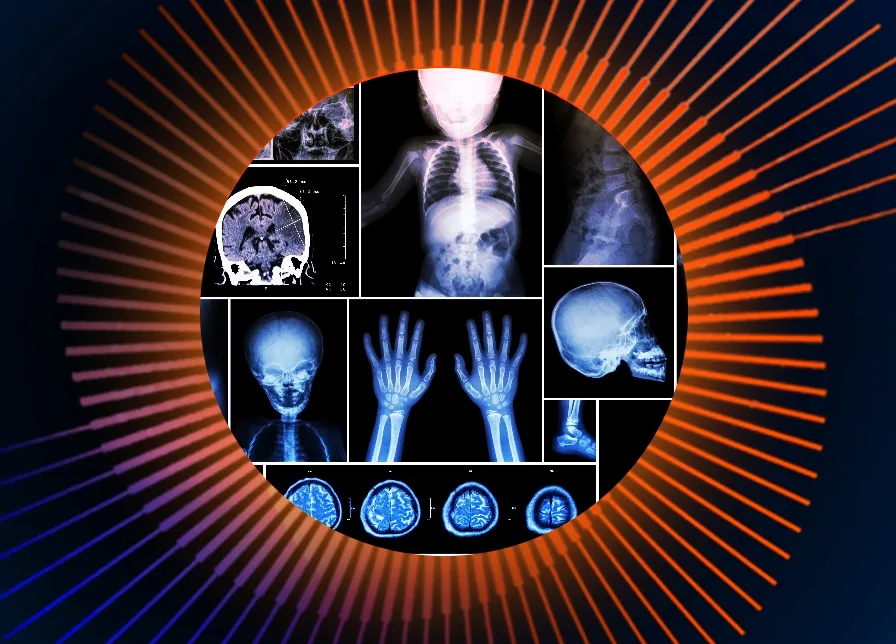
We support sponsors in pediatric clinical trial imaging, using child‑friendly MRI, low‑dose CT, ultrasound, and radiography to minimize radiation exposure and procedural burden for children. We design age‑appropriate imaging protocols and workflows that account for motion, sedation needs, and family-centered care, ensuring both data quality and a positive patient experience. Our experts have supported pediatric oncology, rare disease, musculoskeletal, neurological, and metabolic studies, providing centralized reads and quantitative imaging endpoints that reliably capture disease burden and treatment response.
Autoimmune Diseases
Myositis
In myositis clinical trials, advanced imaging is used to quantify muscle inflammation, damage, and treatment response in a standardized, reproducible way. Whole‑body MRI, regional muscle MRI, ultrasound, and FDG‑PET are combined with edema‑sensitive sequences, fat fraction mapping, and quantitative muscle volume measurements to capture both active inflammation and chronic change.
Centralized reads using trial-specific muscle scoring systems and quantitative biomarkers provide sensitive endpoints for steroid-sparing, biologic, and gene-targeted therapies, supporting precise patient selection, early detection of therapeutic effect, and regulator-ready evidence packages in idiopathic inflammatory myopathies.
Psoriatic Arthritis
Psoriatic arthritis clinical trials require sensitive imaging to capture synovial, entheseal, axial, and skin–joint inflammation patterns that drive disease progression. In psoriatic arthritis trials, Image Analysis Group (IAG) applies dedicated rheumatology imaging expertise, using X‑ray, MRI, whole‑body MRI, DCE‑MRI, ultrasound, and CT to assess synovitis, enthesitis, dactylitis, axial involvement, and skin–joint relationships with tailored semi‑quantitative and quantitative scores. Partnering with experienced PsA sites and subspecialist musculoskeletal readers, IAG delivers centralized, standardized imaging endpoints that enable precise phenotyping, sensitive detection of treatment effects, and regulator‑ready evidence packages.
Rheumatoid Arthritis
Rheumatoid arthritis clinical trials at IAG leverage a long-standing track record in RA imaging methodology, including dynamic contrast‑enhanced MRI (DCE‑MRI) of small joints and computer‑aided quantification of synovitis and bone marrow edema correlated with RAMRIS scoring and histology. Trials use X‑ray, MRI, DCE‑MRI, CT, and PET with phase‑specific protocols to measure synovial perfusion, inflammatory burden, and structural damage. Global imaging sites and specialist RA readers deliver centrally read radiographic endpoints and sensitive MRI biomarkers, enabling precise detection of structural responders and supporting successful development of novel anti‑inflammatory and disease‑modifying RA therapies.
Scleroderma
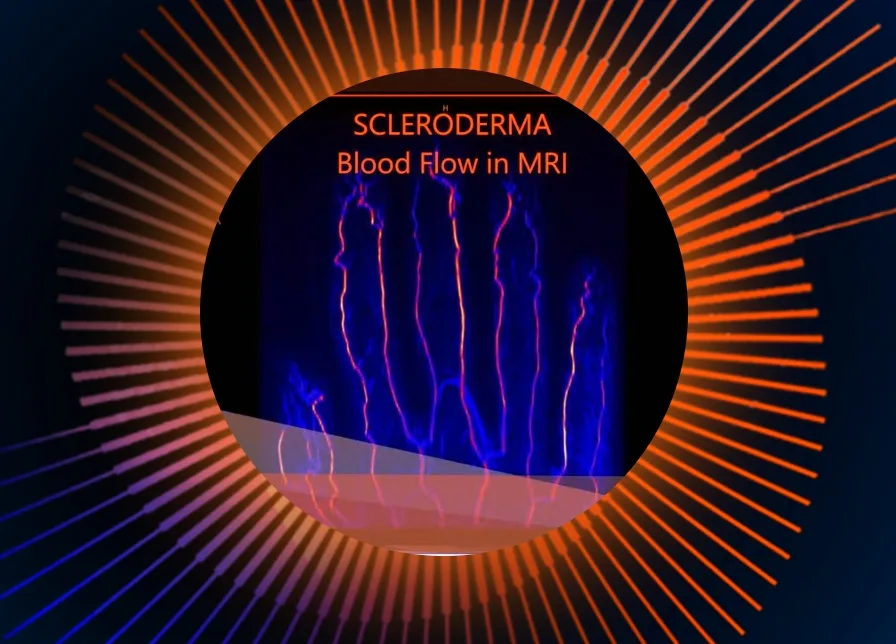
Systemic sclerosis (scleroderma) trials require imaging to capture multi‑organ, vascular, and skin involvement over time. At screening, IAG team supports high‑resolution CT and dedicated lung MRI to quantify interstitial lung disease burden. For efficacy, we often use MRI, ultrasound, CT, X‑ray, and vascular imaging to evaluate skin thickness, microvascular pathology, and internal organ involvement. The proprietary MRI Digital Artery Volume Index (DAVIX) provides a quantitative surrogate outcome for digital ulcer disease, integrated alongside mRSS and other image‑derived scores to deliver end‑to‑end trial solutions, precise phenotyping, early detection of treatment effects, and regulator‑ready imaging endpoints.
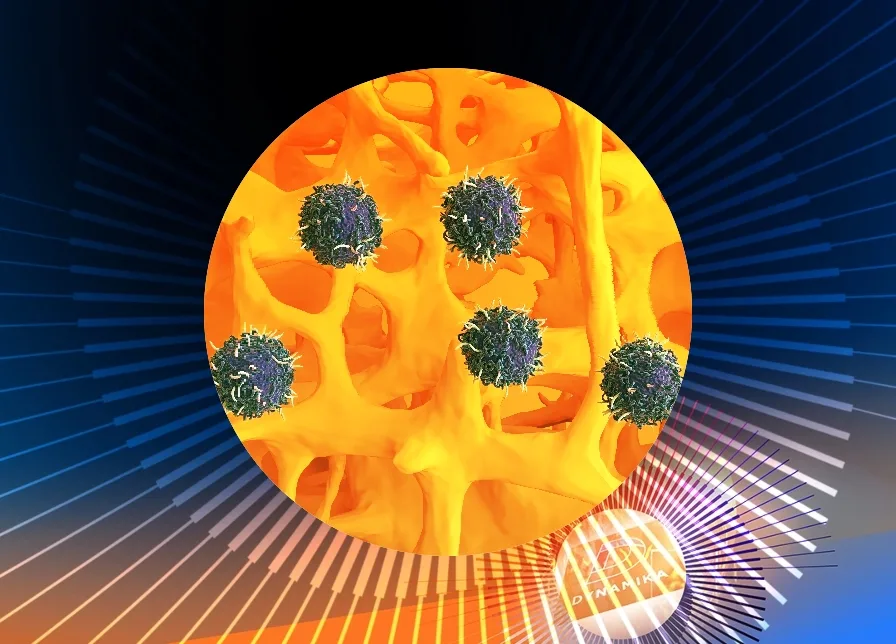
CAR-T in Autoimmune Diseases
IAG brings unique expertise in imaging patients on CAR‑T therapies through collaborations with early adopters running pioneering autoimmune trials. DYNAMIKA enables sponsors to manage complex CAR‑T basket studies across multiple indications on a single centralized imaging platform, harmonizing MRI, CT, ultrasound, and PET workflows and central reads.
This supports efficient decsision making and read‑outs for parallel cohorts under consistent regulatory‑grade standards. IAG’s multidisciplinary team of radiologists interprets images to support recruitment, characterize organ response, safety signals, decisions on cohort expansion.
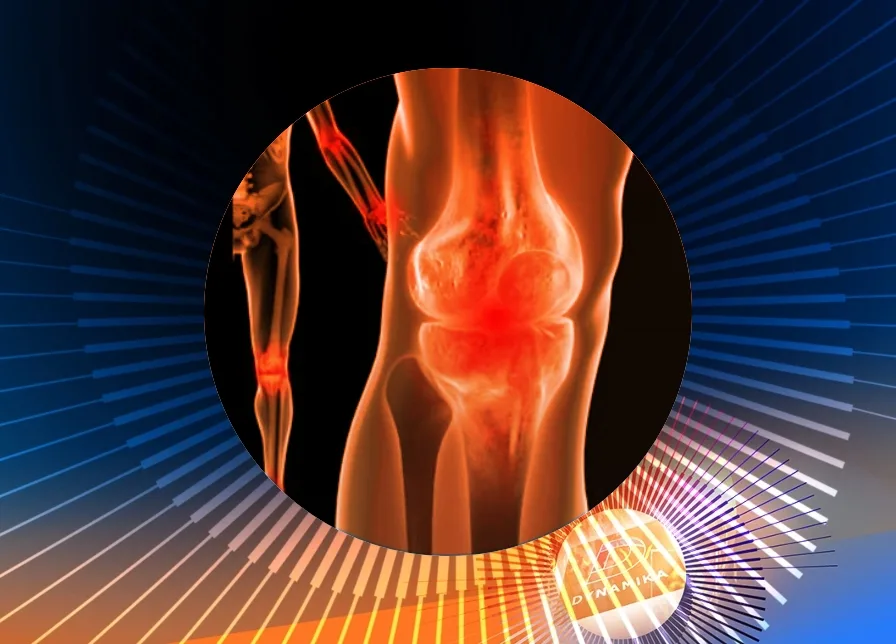
Systemic Lupus Erythematosus
In systemic lupus erythematosus (SLE) clinical trials, MRI, ultrasound, and Xray are used to assess joint, organ, and vascular involvement, including lupus nephritis, serositis, and CNS lupus. IAG’s experience helps Sponsors to optimal imaging for synovitis and vasculitis, organ volumetry, and quantitative measures of inflammation and tissue damage. We work with a range of scoring systems to provide sensitive efficacy readouts for anti‑inflammatory and immunomodulatory therapies. With DYNAMIKA, we ensure harmonized acquisition across global sites and ability for Sponsors to access their anonymized imaging data for early review.
Rare Diseases
Rare Metabolic Disorders
These clinical trials require highly specialized imaging to capture subtle organ, metabolic, and tissue changes over time. Image Analysis Group (IAG) provides FDA/EMA‑aligned imaging solutions using MRI, MR spectroscopy, PET, CT, and ultrasound to quantify organ involvement, metabolic function, and tissue pathology. Quantitative MRI protocols, spectroscopy‑based metabolite profiling, and indication‑specific PET tracers support early diagnosis and sensitive evaluation of treatment effects. Centralized reads and standardized workflows across global sites deliver high‑quality, reproducible efficacy and safety endpoints, helping sponsors streamline regulatory submissions and accelerate drug development in rare metabolic diseases.
Rare Genetic Disorders
Rare genetic disorder clinical trials demand highly specialized imaging to capture subtle, multisystem disease manifestations and their evolution over time. Image Analysis Group (IAG) delivers indication‑focused solutions using multiparametric MRI, PET, CT, and advanced AI‑driven radiomics to quantify organ involvement, tissue pathology, and metabolic status with high sensitivity. Disease‑ and trial‑specific imaging protocols, centralized expert reads, and standardized workflows across global sites provide precise, reproducible endpoints for diagnosis, therapy response evaluation, and safety monitoring, helping sponsors de‑risk development and generate robust, regulator‑ready imaging evidence in rare genetic disorders.
CAR-T in Autoimmune Diseases
IAG brings unique expertise in imaging patients on CAR‑T therapies through collaborations with early adopters running pioneering autoimmune trials. DYNAMIKA enables sponsors to manage complex CAR‑T basket studies across multiple indications on a single centralized imaging platform, harmonizing MRI, CT, ultrasound, and PET workflows and central reads.
This supports efficient decsision making and read‑outs for parallel cohorts under consistent regulatory‑grade standards. IAG’s multidisciplinary team of radiologists interprets images to support recruitment, characterize organ response, safety signals, decisions on cohort expansion.
Pediatric Imaging
We support sponsors in pediatric clinical trial imaging, using child‑friendly MRI, low‑dose CT, ultrasound, and radiography to minimize radiation exposure and procedural burden for children. We design age‑appropriate imaging protocols and workflows that account for motion, sedation needs, and family-centered care, ensuring both data quality and a positive patient experience. Our experts have supported pediatric oncology, rare disease, musculoskeletal, neurological, and metabolic studies, providing centralized reads and quantitative imaging endpoints that reliably capture disease burden and treatment response.

Duchenne Muscular Dystrophy
Our imaging strategy for DMD focuses on precise, quantitative characterization of muscle loss and fat replacement. Using noninvasive MRI protocols— including Dixon imaging, T2 mapping, and spectroscopy—within the DYNAMIKA platform, we generate voxel‑level maps of muscle volume, intramuscular fat fraction, and edema-like changes over time. DYNAMIKA standardizes acquisition, automates segmentation and fat–water separation, and supports centralized multi-reader review, turning complex MRI data into reproducible biomarkers that track disease progression, correlate with functional measures, and reduce reliance on repeated muscle biopsies while sensitively capturing treatment effects in DMD trials.
Neuro-Imaging
Neuro-Oncology
Our radiology leadership is recognized among the world’s top 2% of researchers by publication impact, underscoring the depth of scientific expertise behind every trial. As a specialist neuro-oncology imaging CRO, IAG provides end-to-end support for GBM and glioma studies, from protocol design and site selection through operational delivery and centralized image review. Using the DYNAMIKA platform, neuro-oncology experts perform standardized RANO and RANO 2.0 reads and integrate molecular imaging with advanced MRI (DWI, DCE‑MRI) to distinguish true progression from pseudo‑progression and detect early biological response, delivering highly sensitive, regulator-ready endpoints.
Traumatic Brain Injury
Traumatic brain injury clinical trials require fast, reliable imaging to characterize acute damage and track long‑term sequelae.
In TBI studies, Image Analysis Group (IAG) provides FDA/EMA‑aligned imaging solutions using CT for rapid assessment of hemorrhage, mass effect, and skull fractures, and advanced MRI sequences (DTI, SWI, FLAIR) to detect microbleeds, diffuse axonal injury, edema, and contusions.
We ensure that trials use standardized protocols, consistent acquisition and interpretation, enabling precise injury classification, longitudinal monitoring, and sensitive safety and efficacy endpoints across acute and chronic TBI development programs. IAG brings experience from early to late phase trials and specialist AI analysis and biomarker development projects.
Psychiatric Disorders
IAG team provides FDA/EMA‑aligned imaging for neuropsychiatric disorder trials, using multimodal MRI (structural, functional, DTI), PET, and quantitative brain biomarkers to assess regional volume, activation, and connectivity. We design and implement standardized protocols for depression, schizophrenia, bipolar disorder, and related CNS indications, enabling objective measurement of circuit‑level dysfunction and treatment effects. Centralized image processing and blinded reads generate robust, data‑driven imaging endpoints that support disease stratification, pharmacodynamic readouts, and regulator‑ready evidence packages for neuropsychiatric drug development.
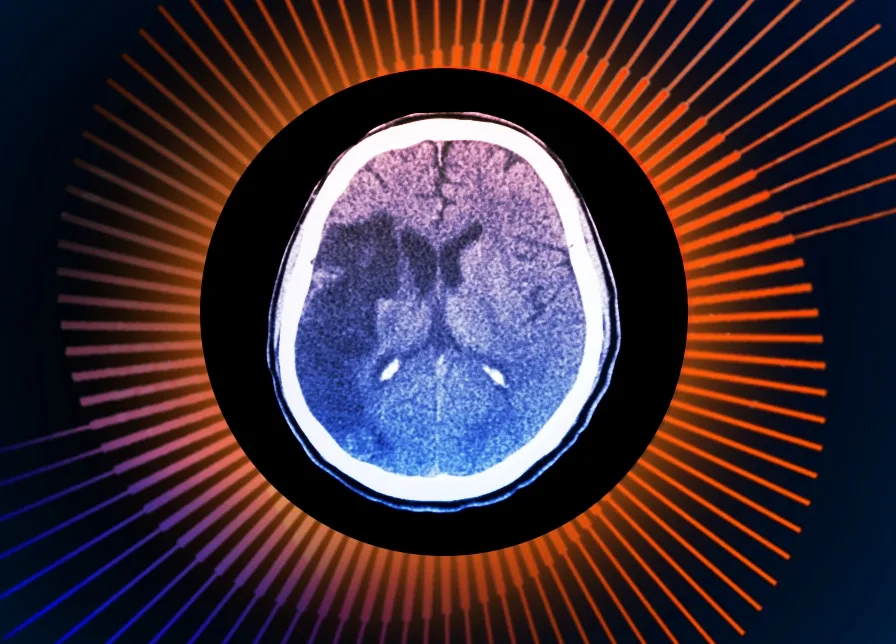
Stroke
Stroke clinical trials require fast, standardized imaging to support patient selection, acute decision‑making, and long‑term outcome assessment. Image We provide comprehensive imaging support using CT, CT angiography, MR angiography, diffusion‑weighted MRI, and perfusion imaging to define infarct core, vessel occlusion, perfusion deficits, collateral flow, and to exclude hemorrhage. Standardized protocols, centralized blinded reads, validated endpoints, and the DYNAMIKA platform for rapid, secure upload and near real‑time multi‑expert review enable robust evaluation of reperfusion and neuroprotective therapies while reducing variability and supporting regulatory‑grade stroke trial data.
Why Work with IAG?
Worldclass Medical Imaging Expertise in Trials
Comprehensive imaging expertise
We cover all major imaging modalities including MRI, CT, PET, ultrasound, and X-ray. Our standardized protocols ensure consistent, high-quality data from all study sites, delivering reliable, actionable insights that drive clinical trial success.
Global network of radiology and therapeutic experts
Partner with us to access a multi-site global clinical trial imaging network of expert radiology readers, therapeutic specialists and KOLs and scientific expertise. Every image is interpreted with precision to provide clinical insight and ensure reliable trial outcomes.
Collaborative approach with clinical and scientific teams
We collaborate with a strong network of clinical scientists and operational teams, fostering open communication and shared insights. This partnership ensures imaging strategies are fully aligned with your trial objectives, enhancing outcomes and maximizing scientific value at every stage.
Innovative solutions for every trial phase
We support trials at every stage, from early phase to the development of imaging biomarkers and companion diagnostics to approved regulatory assessments in global Phase III studies. With approximately 20 years of experience, we know what regulators require and develop strategies to enable success. Our approach helps speed up timelines while keeping data accurate and compliant.
DYNAMIKA™: One Solution for All Imaging Needs
Scalable, secure, and built for trials of all sizes
DYNAMIKA™ centralizes every step of imaging data management, from capture and de-identification to transfer and review, into one secure, easy-to-use platform. Designed for all studies, it scales effortlessly, safeguards sensitive data with enterprise-grade security, and complies with international privacy and regulatory standards. Seamless integration with eClinical tools, EDCs, and sponsor systems ensures smooth data exchange and streamlined trial operations.
QC and real-time oversight
DYNAMIKA™ ensures every image meets protocol standards through a mutli-step quality control and resolution process. Data is anonymized and validated as it’s uploaded, reducing errors and delays. Real-time dashboards give Sponsors full visibility into site performance, data quality, and readiness for reads, ensuring reliable results and faster trial progress.
Central review with built-in eCRFs and workflow management.
DYNAMIKA™ centralizes imaging review with built-in eCRFs and adjudication. Expert readers assess data remotely, entries are validated instantly, and disagreements trigger a transparent adjudication workflow. Every step is documented for compliance, ensuring accurate, regulator-ready imaging endpoints.
AI-enabled workflows
DYNAMIKA™ integrates AI-enabled imaging intelligence for structured quality control, anonymization, and advanced image analysis. With proven experience in global trials, IAG supports seamless validation, and central review across therapeutic areas. Cloud-based workflows streamline data, enhance reproducibility, and ensure regulatory-ready, AI-enabled trial processes and clinical trial endpoints.
Configurable workflows & role-based access
DYNAMIKA™ lets you configure workflows and assign role-based permissions, tailoring imaging processes to your trial and team. This ensures efficient operations while maintaining strict oversight and data integrity.
Operational Excellence: Ensuring Reliable, High-Quality Imaging Trials
Experienced project team
IAG’s dedicated project team brings deep operational, technological, and clinical expertise to every trial. Through meticulous planning, proactive communication, and real-time support, they ensure efficient operations, high-quality data, and seamless coordination between sites and sponsors, helping trials stay on track and deliver reliable outcomes.
Dedicated support for sites and investigators
IAG provides hands-on training, real-time troubleshooting, and clear guidance to investigators and site staff at every stage. With intuitive tools, standardized protocols, and 24/7 expert support, we minimize site burden, ensure high-quality imaging data, and foster strong collaboration, allowing sites to focus on patient care and trial success.
Geographical reach
IAG provides comprehensive support for clinical trials across North America, Europe, Asia-Pacific, Latin America, and beyond. Our established site network enables rapid activation, efficient imaging logistics, and real-time regional support. Our expertise helps sponsors run multi-center, multi-country studies smoothly, ensuring consistent, high-quality imaging and faster global enrollment.
Minimizing site burden
IAG’s intuitive workflows, streamlined platforms, and comprehensive training reduce administrative workload and simplify imaging processes. Automated data capture, clear communication, and proactive support help sites focus on patient care while delivering high-quality, on-time imaging data, making trial participation efficient and stress-free.
Let’s Speak!
Speak with a member of our team




Publicly announced partnerships
For nearly 20 years, we’ve helped sponsors accelerate drug development by combining scientific expertise, operational excellence, and innovative technology.



















What we can do for You:
Talk to IAG Team
If you are planning a clinical trial which will use imaging to assess safety and efficacy of your new drug candidate, share your challanges with our team.
Frequently Asked Questions:
How experienced is Image Analysis Group (IAG) in managing imaging for clinical trials?
Image Analysis Group (IAG) combines its proprietary DYNAMIKA™ platform with in-house radiology and therapeutic expertise to deliver tailored imaging strategies across oncology, immunology, neurology, rare diseases, and more.
With real-time quality control, AI-powered endpoints, and a quality-certified global network, IAG helps reduce sample sizes, accelerate timelines, and provide reliable, regulator-ready imaging data.
How many trials has Image Analysis Group (IAG) successfully supported?
Since 2007, Image Analysis Group (IAG) has supported over 700 global clinical trials across all phases and therapeutic areas.
Our expertise and advanced imaging solutions help optimize trial workflows, accelerate timelines, and support regulatory success for novel therapies.
How does Image Analysis Group (IAG) use AI to improve imaging analysis and trial endpoints?
Image Analysis Group (IAG) integrates AI and advanced analytics via its DYNAMIKA™ platform to transform image review and endpoint assessment. Key capabilities include:
● AI-Powered Endpoints: Accelerate detection of treatment effects and improve trial reliability.
● Automated, Quantitative Analysis: Extract imaging biomarkers to optimize patient selection and forecast outcomes.
● Radiomics & Pathomics: Combine image and pathology data for predictive, personalized insights.
● Early, Sensitive Detection: Identify subtle disease changes often missed by conventional review.
● Centralized, Blinded Reads: Ensure consistent, reproducible endpoints across multi-site trials.
● Regulatory Compliance: Analytics and review meet standards like 21 CFR Part 11 and ISO 13485.
How does Image Analysis Group (IAG) ensure imaging data is secure and compliant?
Image Analysis Group (IAG) combines industry-leading certifications with advanced technology safeguards to deliver a secure, compliant, and reliable imaging environment.
Key measures include:
● Certifications: SOC II Type I, BSI, ISO 13485, and 21 CFR Part 11 ensure global regulatory compliance and operational security.
● Automated Data Anonymization: Protects patient privacy and meets data protection laws.
● Centralized QC & Audit Trails: Guarantees data integrity, traceability, and consistent quality.
● Secure Cloud Infrastructure: Provides controlled, global access for collaboration while safeguarding sensitive data.
● Ongoing Oversight: Regular audits ensure continuous compliance and improvement.
Where does Image Analysis Group (IAG) operate and support clinical trials?
Image Analysis Group (IAG) operates worldwide, with offices, teams, and partnerships across the UK, EU, USA, India, China, Australia, Africa, and beyond.
▸UK & Europe: Headquarters in London with full operational and project management support.
▸USA: Rapidly growing presence supporting AI-driven imaging trials.
▸Asia-Pacific: Teams in India and partnerships in China and Australia for seamless regional support.
▸Global Site Network: Well-connected sites and radiology readers enable fast setup, efficient data collection, and smooth multi-center execution.
How does Image Analysis Group (IAG)’s pricing work, and what value does it provide?
IAG offers flexible, tailored pricing to meet the specific needs of each trial while optimizing budgets without compromising quality.
Costs are typically based on:
● Trial Complexity & Phase: Phase I–III or real-world studies
● Sites & Patients: Number of locations and participants
● Imaging Requirements: Modalities, endpoints, and customization
● Service Scope: Site setup, data management, central reads, regulatory support, and system integration
How do Image Analysis Group (IAG) ensure regulatory compliance (GCP, 21 CFR Part 11, GDPR, HIPAA) for imaging data?
Image Analysis Group (IAG) ensures regulatory compliance through a combination of certified quality systems, compliant technology, and controlled operational processes covering the full imaging lifecycle.
DYNAMIKA™, IAG’s imaging platform, is validated and aligned with FDA 21 CFR Part 11, GDPR, HIPAA, SOC 2 Type II, and ISO 13485 requirements, with enforced role‑based access, audit trails, and automated anonymization to protect patient privacy and data integrity. Standardized SOPs, documented QC and central review workflows, and regular audits ensure GCP‑aligned conduct of imaging activities across all sites and vendors.
What quality management system does Image Analysis Group (IAG) have in place (SOPs, audits, CAPA, certifications)?
Image Analysis Group (IAG) operates under a formal quality management system that combines documented SOPs, risk‑based oversight, and continuous improvement processes across all imaging activities.
The organization is certified to ISO 13485 and SOC 2 Type II and aligns with FDA 21 CFR Part 11, GDPR, and HIPAA, with routine internal and external audits of both operations and the DYNAMIKA™ platform.
Deviations, issues, and audit findings are managed through structured CAPA processes, ensuring that lessons learned are captured, remediated, and rolled out into updated SOPs, training, and system controls.
How is Image Analysis Group (IAG) reader training, calibration, and inter reader variability managed in central imaging review?
Central imaging readers at Image Analysis Group (IAG) are selected for indication‑specific experience and trained on the study‑specific imaging charter, response criteria (e.g., RECIST, RANO, RAMRIS), and use of the DYNAMIKA™ platform. Calibration is managed through run‑in cases, periodic re‑reads, and structured consensus or adjudication sessions with predefined rules for handling discrepancies.
Image Analysis Group (IAG) actively monitors inter‑ and intra‑reader variability using quantitative agreement metrics and applies targeted retraining or reader panel adjustments when thresholds are not met, supporting consistent, regulator‑ready central review across all sites.
How does Image Analysis Group (IAG) handle data privacy, security, and cloud hosting for clinical trial images?
Image Analysis Group (IAG) protects imaging data through a secure, certified cloud infrastructure and a validated DYNAMIKA™ platform, with enforced role‑based access, encryption, and full audit trails. All images are de‑identified or anonymized at upload, with centralized QC to ensure no patient identifiers are stored or exposed, supporting GDPR, HIPAA, and global data‑protection requirements. Hosting and data flows are managed under ISO 13485, SOC 2, and 21 CFR Part 11‑aligned controls, with regular audits and monitoring to maintain data integrity, availability, and compliance across multi‑center, international trials.
How long does it take to start up an imaging trial with Image Analysis Group (IAG) from Signed Contract to first patient in?
At Image Analysis Group (IAG) timelines vary based on trial complexity, number of countries and sites, and imaging modalities, but IAG typically moves from contract signature to imaging‑ready status within a few weeks, not months.
Core startup activities including imaging charter development, DYNAMIKA™ configuration, site onboarding and training, and test uploads are run in parallel so that imaging does not become the critical path to first patient in.
For urgent or early‑signal studies, IAG can further compress startup by using pre‑configured workflows, existing validated templates, and its established global site and reader network.
Feel free to reach out to our project management team with your inquiry here: contact@ia-grp.com
What does Image Analysis Group (IAG)’s typical imaging budget include (start up, reader fees, site training, data management, DYNAMIKA™ licensing)?
A typical Image Analysis Group (IAG) imaging budget is structured around clear workstreams so sponsors can see exactly what they are paying for and how changes will affect cost.
Core components usually include start‑up activities (charters, templates, DYNAMIKA™ setup), site onboarding and training, ongoing data management and QC, central reader fees and adjudication, and DYNAMIKA™ platform licensing or usage.
Optional lines may cover exploratory or AI‑enabled biomarkers, custom integrations, additional reads, or country/site expansions, all documented with transparent assumptions to minimize the need for unplanned change orders.
How do Image Analysis Group (IAG) support global site activation, training, and ongoing helpdesk for imaging?
Image Analysis Group (IAG) supports global sites through a structured combination of imaging operations, training, and ongoing technical and scientific helpdesk.
During startup, IAG develops imaging manuals, configures DYNAMIKA™, and delivers remote or on‑site training focused on acquisition parameters, upload processes, and protocol compliance, minimizing site burden. Once active, sites have access to real‑time support for upload issues, QC queries, and protocol questions, with regional coverage and 24/7 capabilities for complex or time‑sensitive studies.
What KPIs are defined for imaging performance (turnaround times, query rates, reader availability)?
Image Analysis Group (IAG) defines imaging KPIs upfront and tracks them throughout the study to keep performance transparent and aligned with trial milestones.
Typical KPIs include image upload and QC turnaround times, central read and adjudication turnaround, site query and repeat‑scan rates, reader availability and scheduling adherence, and overall data readiness for database lock or key interim analyses.
These metrics are monitored via DYNAMIKA™ dashboards and regular governance reviews, allowing IAG and sponsors to identify bottlenecks early and adjust workflows, training, or resourcing before they impact recruitment or critical decision points.
Can Image Analysis Group (IAG) support rescue of underperforming imaging trials mid study?
Image Analysis Group (IAG) can take over or “rescue” underperforming imaging components mid‑study when issues such as poor data quality, delays, or inconsistent reads are putting endpoints at risk.
The team typically performs a structured assessment of existing imaging workflows, data, and contracts, then implements corrective actions such as revised imaging charters, retraining, re‑reading strategies, and DYNAMIKA™‑based QC and transfer to stabilize performance.
IAG’s established global site and reader network, combined with configurable workflows on DYNAMIKA™, allows transitions to be managed with minimal disruption to recruitment and database timelines.